Introduction
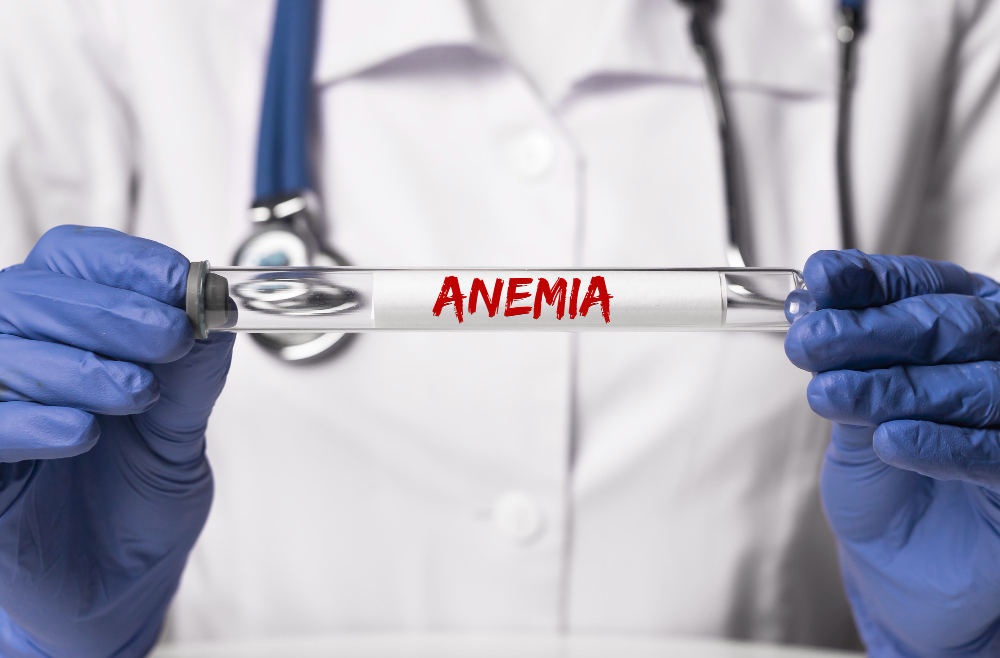
Anemia is a common health issue that affects many people worldwide. It happens when your body does not have enough healthy red blood cells. As a result, you may feel tired or weak. The right diet for anemia can help manage symptoms and boost your energy. Eating the best foods to increase iron and following natural remedies for anemia are important steps. In this blog, you will learn how nutrition, yoga, and naturopathy can support your health.
What is Anemia?
Anemia means your blood has fewer red blood cells or less hemoglobin than normal. Hemoglobin is a protein that carries oxygen in your blood. When you have anemia, your body does not get enough oxygen. Because of this, you may feel tired, weak, or short of breath. Other symptoms can include pale skin, dizziness, or a fast heartbeat. Common causes of anemia are low iron, vitamin B12, or folate levels. Sometimes, blood loss or certain illnesses can also cause anemia.
Role of Diet in Managing Anemia
Diet plays a big role in managing anemia. Your body needs iron, vitamin B12, and folate to make healthy red blood cells. Without these nutrients, anemia can get worse. Therefore, eating a balanced diet is very important. Not only does it help prevent anemia, but it also supports your overall health. For example, adding foods rich in iron and vitamins can help your body recover faster. In addition, some foods help your body absorb iron better.
Best Foods for Anemia
Choosing the right foods can make a big difference. Here are the best foods for anemia:
Including these foods in your meals can help increase iron and other key nutrients.
Foods to Avoid or Limit
Some foods can make it harder for your body to absorb iron. For better results, try to avoid or limit the following:
Instead, drink water or fresh juices with your meals to help your body use iron better.
Sample Meal Plan for Anemia
Here is a simple one-day meal plan to support anemia management:
This plan includes foods to increase iron and vitamins needed for healthy blood.
Prevention and Lifestyle Guidance
Preventing anemia is possible with a few simple steps. First, eat a balanced diet rich in iron, vitamin C, folate, and vitamin B12. Second, avoid skipping meals. Third, include a variety of fruits, vegetables, and proteins in your daily routine. Also, try to limit tea and coffee with meals. Regular exercise, enough sleep, and stress management are important too. If you are at risk, get your blood checked regularly.
When to Consult a Specialist
Sometimes, diet alone may not be enough. If you feel very tired, dizzy, or have trouble breathing, see a doctor. Also, if your symptoms do not improve with diet changes, seek medical help. A healthcare specialist can check your blood and suggest the best treatment. Early care can prevent serious problems.
Conclusion
In summary, the best diet for anemia includes iron-rich foods, vitamin C, folate, and vitamin B12. Yoga and naturopathy can support your health naturally. Making smart food choices and following simple lifestyle tips can help prevent and manage anemia. Remember, your diet plays a key role in your well-being.
Consult a healthcare specialist or nutritionist for personalized guidance.