Introduction
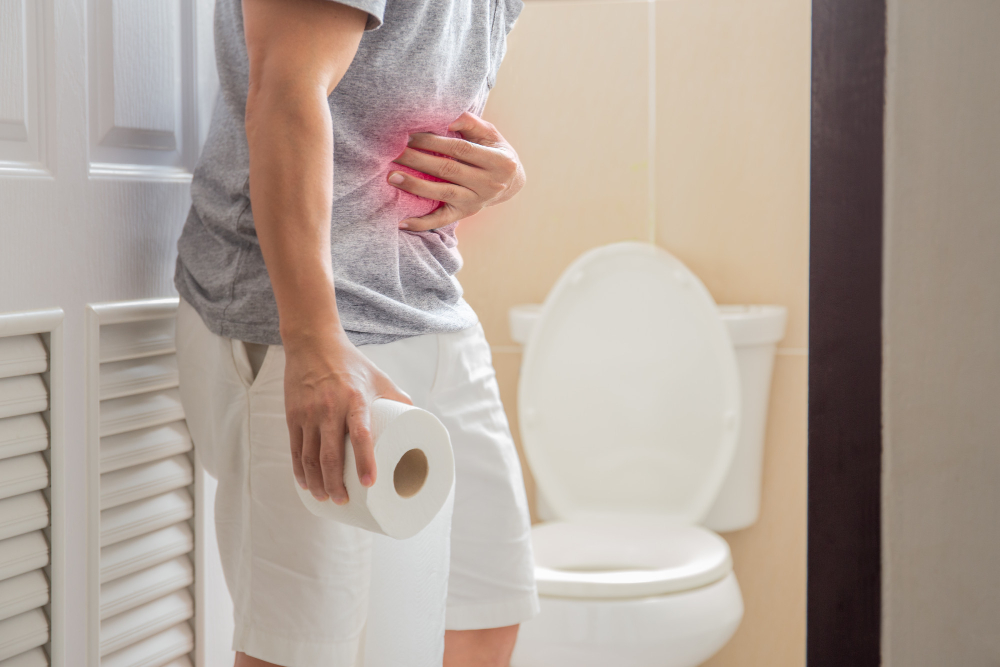
Constipation means having fewer bowel movements or hard stools. It can cause discomfort, bloating, and even pain. Many people struggle with this problem. However, a proper diet for constipation can help ease symptoms and support regular digestion. By choosing the right foods and natural remedies, you can find relief. In this blog, you will learn about the best foods for constipation relief, fiber-rich diets, and how yoga and naturopathy can help.
What is Constipation?
Constipation happens when you have trouble passing stools or go less than three times a week. Often, stools become dry and hard. As a result, you may feel bloated or uncomfortable. Sometimes, constipation is short-term. Other times, it can last longer and affect your daily life. According to the World Health Organization (WHO), constipation is common and affects people of all ages.
How Diet Affects Constipation
Diet plays a big role in your digestive health. For example, eating too little fiber or drinking less water can slow your bowels. On the other hand, a fiber-rich diet and proper hydration help keep stools soft and easy to pass. In addition, some foods support healthy gut bacteria, which can improve digestion. Therefore, making smart food choices is key for natural constipation relief.
Best Foods to Relieve Constipation
Choosing the right foods can make a big difference. Here are some foods for constipation relief:
For example, prunes are well-known for their natural laxative effect. In addition, adding more fiber slowly can prevent gas or bloating. Always drink enough water when increasing fiber intake.
Foods to Avoid
Some foods can make constipation worse. Therefore, try to limit or avoid these:
Instead, choose whole, natural foods whenever possible. This helps your digestion work better.
Sample Meal Plan for Constipation Relief
Here is a simple meal plan to support a fiber-rich diet for constipation relief:
Remember, drink water throughout the day. In addition, try to eat meals at regular times to support your digestive system.
Lifestyle Tips from Yoga and Naturopathy
Besides diet, lifestyle changes can help relieve constipation. Yoga and naturopathy offer gentle, natural remedies. For example, certain yoga poses can stimulate digestion and ease bowel movements. Here are some tips:
According to the CDC, regular physical activity and stress management can improve digestion. Therefore, combining yoga for digestion with a healthy diet can offer lasting relief.
When to Seek Medical Advice
Most cases of constipation improve with diet and lifestyle changes. However, sometimes you may need medical help. See a doctor if you:
Early medical advice can help rule out serious problems. In addition, a healthcare professional can guide you on the best treatment for your needs.
Consult a healthcare professional or certified nutritionist for personalized guidance on managing constipation through diet.