What Are Clotting Disorders?
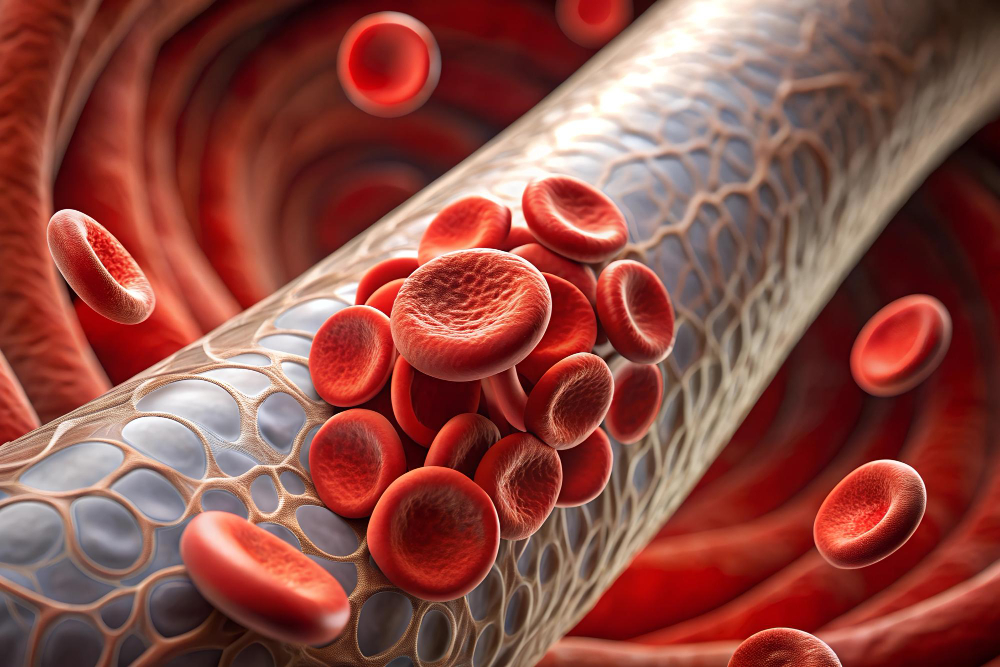
Clotting disorders are health problems that affect how your blood clots. Normally, your blood forms clots to stop bleeding. However, with a clotting disorder, your blood may clot too much or not enough. For example, some people may bleed easily, while others may form dangerous clots. Common clotting disorders include hemophilia, deep vein thrombosis, and von Willebrand disease. Because these conditions can be serious, it is important to manage them well. Understanding your diet for clotting disorders can help support your blood health.
Why Diet Matters for Clotting Disorders
Diet plays a key role in managing clotting disorders. For instance, certain foods and nutrients can help your blood clot properly. On the other hand, some foods may make your condition worse. Therefore, making smart food choices is important. A healthy diet for blood health can help you feel better and lower your risk of problems. Always talk to your doctor before making big changes to your diet.
Key Nutrients and Foods to Include
Some nutrients are important for blood clotting. For example, vitamin K helps your blood clot. Iron and vitamin C also support healthy blood. Here are some foods for blood clotting and nutrition for clotting disorders:
Additionally, drinking enough water helps keep your blood flowing well. Try to eat a variety of these foods each day.
Foods and Substances to Avoid
Some foods and substances can affect blood clotting. For example, too much vitamin E or fish oil may thin your blood. Likewise, alcohol can interfere with blood clotting. Here are some things to limit or avoid:
However, always check with your doctor before stopping or starting any supplements.
Sample Meal Ideas for Clotting Disorders
Planning meals can be simple. Here are some sample meal ideas to support blood health:
As you can see, these meals include foods for blood clotting and are easy to prepare.
Lifestyle Tips for Better Blood Health
Besides diet, your daily habits matter. Here are some natural ways to support blood clotting and overall health:
Moreover, regular check-ups with your doctor are important for monitoring your condition.
Prevention and When to Seek Medical Advice
Although diet helps, it cannot cure clotting disorders. However, eating well and living healthy can lower your risk of problems. If you notice unusual bruising, bleeding, or swelling, seek medical help right away. Also, talk to your doctor before making changes to your diet or starting new supplements. Your healthcare team can give you advice that fits your needs.
In summary, a healthy diet for clotting disorders can support your blood health. For the best results, consult a healthcare professional or nutritionist for personalized dietary advice on clotting disorders.