
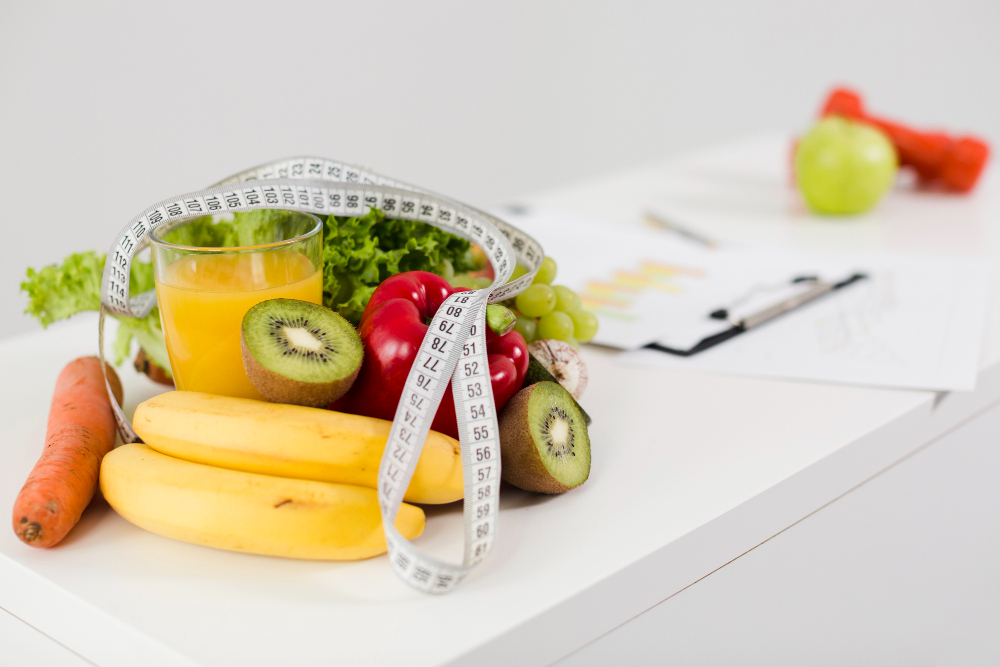
Introduction
Many people search for the best diet for weight loss. A healthy diet is key to losing weight safely and keeping it off. Both yoga and naturopathy offer gentle, natural ways to manage weight. They focus on whole foods, mindful eating, and balance. In this blog, you will learn how to use diet for weight loss with tips from yoga and naturopathy. These methods are safe, practical, and backed by science.
Key Principles of Weight Loss Diets in Yoga and Naturopathy
Yoga and naturopathy both stress eating fresh, natural foods. They avoid processed items and focus on balance. For example, yoga recommends a “sattvic” diet. This means eating foods that are light, pure, and easy to digest. Naturopathy supports eating foods close to their natural state. Both systems encourage:
According to the World Health Organization (WHO), a balanced diet helps prevent weight gain and related health problems.
Recommended Foods and Meal Planning Tips
Choosing the right foods is important for any healthy meal plan for weight loss. Yoga and naturopathy suggest eating foods that are easy to digest and rich in nutrients. For instance, you can add these foods to your daily meals:
Additionally, planning your meals helps you avoid overeating. Try these tips:
For local flavor, you can use seasonal vegetables and traditional recipes with less oil and salt.
Foods to Avoid for Effective Weight Loss
Some foods can slow your progress. Both yoga and naturopathy recommend avoiding items that are hard to digest or high in empty calories. For example, you should limit:
Instead, choose whole, natural foods whenever possible. This helps your body digest food better and supports weight loss.
Sample One-Day Meal Plan
Here is a simple yoga diet plan for weight loss. This sample uses easy-to-find foods and follows naturopathy weight loss foods guidelines:
Remember, you can adjust this plan to fit your local foods and tastes.
Lifestyle and Mindful Eating Practices
Besides food choices, how you eat matters too. Mindful eating is a key part of both yoga and naturopathy. For example, you can:
These habits help you enjoy your food and prevent overeating. According to the CDC, mindful eating can support healthy weight loss.
Common Myths and Facts about Weight Loss Diets
There are many myths about the best diet for weight loss. Let’s clear up some facts:
Always check facts from trusted sources before making changes to your diet.
When to Consult a Specialist
Sometimes, weight loss can be hard even with a healthy meal plan for weight loss. You should see a specialist if you:
A certified nutritionist or naturopathy specialist can help you create a safe, personalized plan.
For safe and lasting results, consult a certified nutritionist or naturopathy specialist for personalized weight loss advice.