
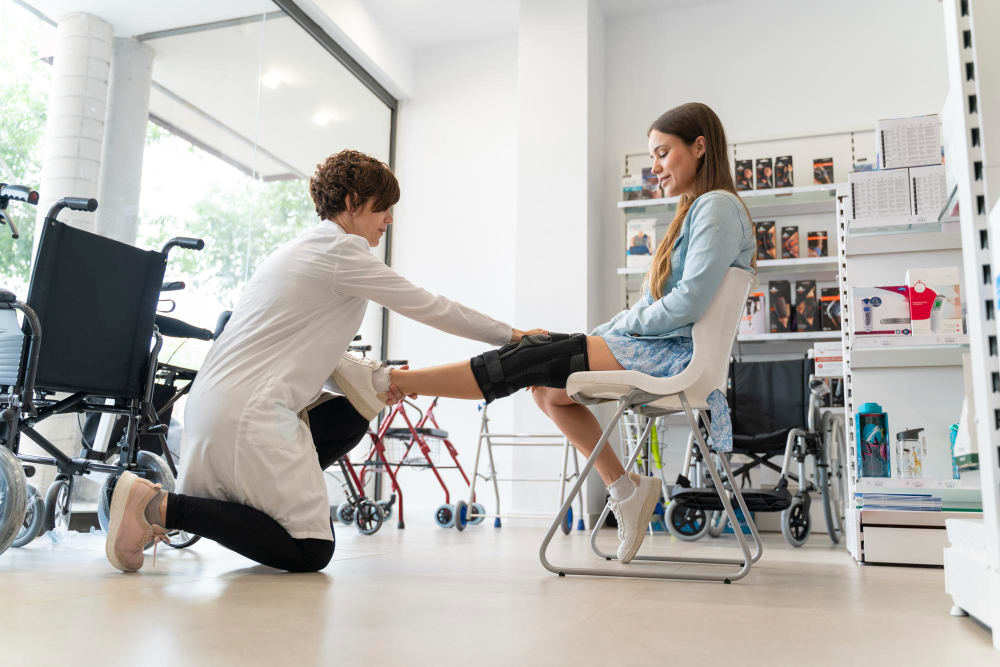
After an injury or traumatic event, recovery can feel overwhelming. However, understanding post-trauma care and rehabilitation essentials can make a big difference. Many people now explore yoga for trauma recovery, naturopathy rehabilitation tips, and holistic healing after injury. These approaches support both body and mind. In this blog, you will learn how yoga and naturopathy can help you heal safely and naturally.
What Is Post-Trauma Care & Rehabilitation?
Post-trauma care means the steps taken after an injury or stressful event. Rehabilitation is the process of regaining strength, movement, and confidence. Together, they help you return to daily life. For example, after a car accident or surgery, you may need special care. This care often includes physical therapy, emotional support, and healthy habits. According to the World Health Organization (WHO), early and proper rehabilitation improves recovery and quality of life.
Common Symptoms and Challenges After Trauma
Many people face both physical and emotional symptoms after trauma. These can make daily life harder. But knowing what to expect can help you prepare. Common symptoms include:
Sometimes, these symptoms last for weeks or months. Yet, with the right support, most people improve over time.
The Role of Yoga in Post-Trauma Recovery
Yoga is a gentle way to rebuild strength and calm the mind. In fact, many studies show that yoga for trauma recovery can ease pain and reduce stress. Yoga combines movement, breathing, and relaxation. This helps your body heal and your mind feel safe again. Here are some simple yoga poses to try:
Always start slowly. If you feel pain, stop and rest. Over time, you may notice better flexibility and less anxiety.
Naturopathy Essentials for Rehabilitation
Naturopathy uses natural methods to support healing. This approach focuses on the whole person, not just the injury. For example, naturopathy rehabilitation tips often include:
However, always check with your doctor before starting new remedies, especially if you take medicine.
Lifestyle Guidance: Nutrition, Sleep, and Mindfulness
Healthy habits play a big role in recovery. In addition, small changes can speed up healing. Consider these tips:
Moreover, talking with friends or joining a support group can help you feel less alone.
Prevention of Complications and Relapse
Staying active and aware can prevent setbacks. For example, follow your care plan and avoid risky activities. Here are some ways to lower your risk of complications:
Early action can stop small problems from becoming serious.
When to Seek Professional Help
Sometimes, you may need extra support. For instance, seek help if you notice:
In these cases, contact your doctor right away. Quick care can prevent further problems.
In summary, post-trauma care and rehabilitation essentials include gentle movement, natural healing, and healthy habits. Yoga and naturopathy can support your journey. Consult a qualified specialist for personalized post-trauma care and rehabilitation guidance.