
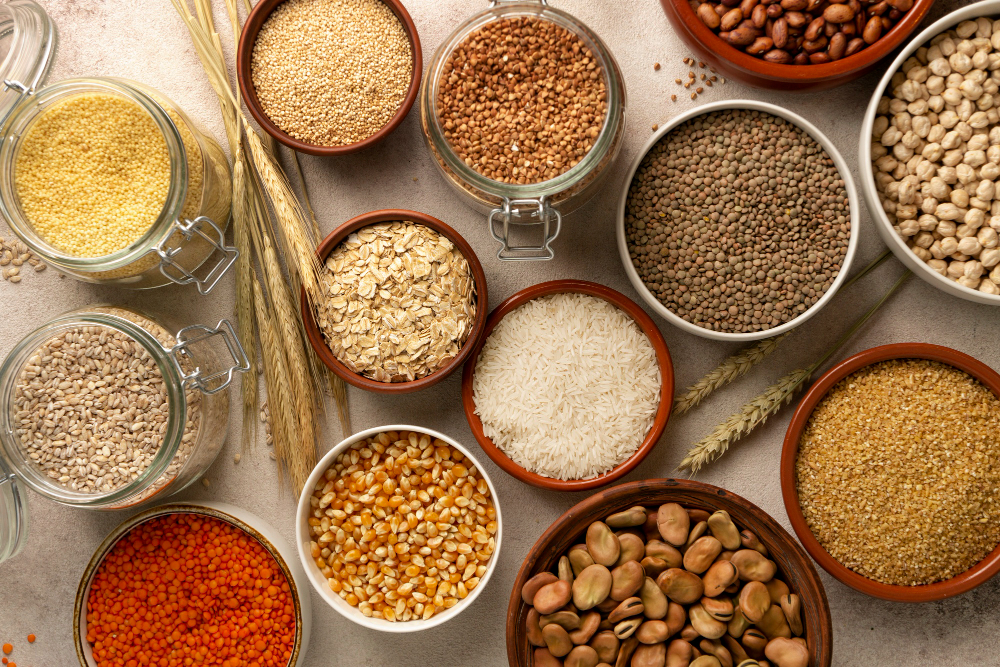
Millets are small grains packed with big health benefits. Many people are now choosing millets for better wellness and nutrition. In fact, the benefits of millets include supporting heart health, helping with digestion, and providing lasting energy. Because of their high nutritional value, millets are gaining popularity in cities like Bangalore and Hyderabad. If you want to know why eat millets, keep reading to learn about the health benefits of millets and how to add them to your daily meals.
What Are Millets?
Millets are a group of small-seeded grains. People have grown them for thousands of years in Asia and Africa. Unlike rice or wheat, millets need less water and grow well in dry areas. For example, you may find millets like pearl millet, finger millet, and foxtail millet in local markets. Because they are gluten-free, millets are a good choice for people with gluten intolerance. Many families use millets as a staple food, especially in South India.
Nutritional Profile of Millets
Millets are rich in nutrients. They offer more fiber, protein, and minerals than many common grains. For instance, millets contain:
Because of this, the nutritional value of millets supports a balanced diet. According to the Food and Agriculture Organization (FAO), millets are a good source of antioxidants too.
Key Health Benefits of Millets
Millets offer many health benefits. Here are some reasons to include them in your meals:
According to the World Health Organization (WHO), whole grains like millets can lower the risk of heart disease and type 2 diabetes.
How to Include Millets in Your Diet
Adding millets to your meals is easy. You can use them in many ways. For example:
Because millets have a mild taste, they blend well with many dishes. Start with small amounts and increase as you get used to the flavor.
Tips for Choosing and Storing Millets
When buying millets, look for fresh, whole grains. Here are some tips:
Because millets can absorb moisture, always seal the container tightly after use.
Potential Considerations and Precautions
While millets are healthy, there are a few things to keep in mind. Some people may feel bloated if they eat too much fiber at once. So, introduce millets slowly into your diet. Also, millets contain natural compounds called goitrogens. These may affect thyroid function if eaten in very large amounts. However, for most people, eating millets as part of a balanced diet is safe. If you have thyroid problems or special health needs, consult your doctor before making big changes.
In summary, millets are a smart choice for better wellness and nutrition. They offer many health benefits and are easy to add to your meals. For personalized advice on including millets in your diet, consult a nutritionist or wellness expert.