
Introduction: Why Stress Management Matters
Stress is a common part of daily life. However, too much stress can harm your body and mind. Many people look for natural ways to manage stress. Yoga poses for stress relief are gentle and effective. In fact, wellness through yoga and naturopathy is growing in popularity. Managing stress helps you feel calm, sleep better, and stay healthy. According to the World Health Organization (WHO), stress can affect your heart, mood, and even your immune system. Therefore, learning to manage stress is important for everyone.
How Yoga and Naturopathy Help with Stress Relief
Yoga combines gentle movements, breathing, and relaxation. As a result, it helps calm your mind and relax your body. Naturopathy uses natural methods like yoga, healthy food, and rest to support wellness. Together, these approaches offer natural stress management techniques. Studies show that regular yoga practice can lower stress hormones and boost mood. In addition, yoga can improve sleep and help you handle daily challenges better.
Best Yoga Poses for Stress Relief
Many yoga poses can help you relax. Below are some of the best yoga poses for stress:
Step-by-Step Instructions for Each Pose
Child’s Pose (Balasana)
Cat-Cow Pose (Marjaryasana-Bitilasana)
Legs-Up-the-Wall Pose (Viparita Karani)
Corpse Pose (Savasana)
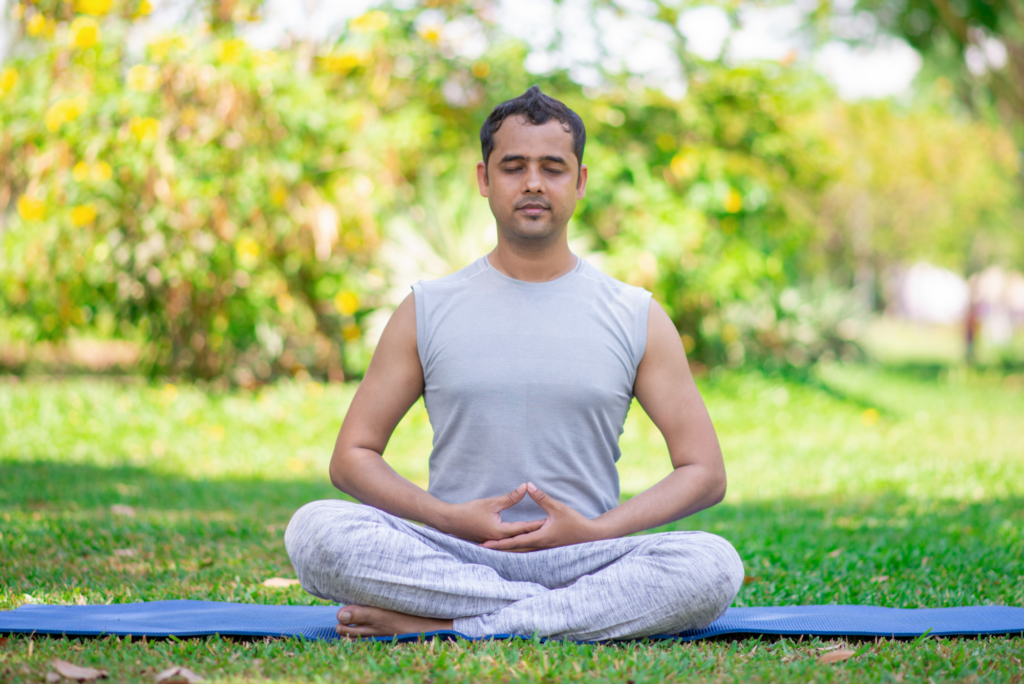
Easy Pose with Deep Breathing (Sukhasana)
Safety Tips and Modifications for Beginners
Yoga is safe for most people. However, you should listen to your body. If you feel pain, stop right away. For beginners, it helps to use props like cushions or folded blankets. For example, place a pillow under your knees in Corpse Pose for extra comfort. If you have health issues, talk to your doctor before starting yoga. Also, start slowly and increase the time as you get comfortable. Remember, it is okay to rest whenever you need.
Lifestyle Guidance and Daily Routines for Stress Management
Besides yoga, daily habits can help manage stress. Try to:
In addition, deep breathing and meditation can help calm your mind. Even a few minutes each day can make a difference.
Prevention Tips for Chronic Stress
Chronic stress can lead to health problems over time. To prevent this, try these tips:
Conclusion: Take Action for Better Stress Management
Yoga poses for stress relief are simple and effective. When you add them to your daily routine, you can feel calmer and healthier. Remember, wellness through yoga and naturopathy is a natural way to manage stress. For best results, practice regularly and follow healthy habits. Consult a certified yoga instructor or wellness specialist for personalized stress management guidance.